
The escalating conflict in West Asia has resulted in 19 ships carrying essential energy resources for India being stranded in the Strait of Hormuz, raising concerns about potential disruptions to the country's energy supply.
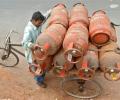
Researchers at CSIR-NCL have developed a technology for producing dimethyl ether (DME) as an alternative to liquefied petroleum gas (LPG), potentially reducing India's reliance on imports and enhancing energy security.
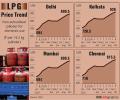
The canteen at the Sports Authority of India's headquarters in Delhi has suspended operations due to a vendor complaint about LPG supply shortages, though sources suggest pricing disputes are also a factor. This closure primarily affects staff, as athletes' meals are provided separately.

The government on Thursday restored liquefied petroleum gas (LPG) supplies to commercial consumers such as hotels, restaurants and other businesses to pre-crisis levels, and lifted sector-specific restrictions imposed during the recent West Asia conflict, in a sign that energy supply concerns are easing as global markets stabilise.

18 Indian-flagged vessels with 485 Indian seafarers still remain in the western Persian Gulf region

The Madhya Pradesh government has formed a committee to monitor gas and oil supplies amid concerns over the West Asia crisis, assuring citizens that there are adequate stocks and no need to panic. The government is also working to ensure the safe return of Indian citizens from Gulf countries.

The reopening of the Strait of Hormuz, following a ceasefire agreement between the US and Iran, is expected to significantly ease India's crude oil supply risks, lower freight costs, and reduce inflationary pressures, as global oil prices have already dropped.
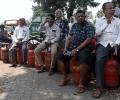
India restricts subsidised LPG connections for households with piped natural gas (PNG) to ensure equitable distribution and address global energy supply concerns, pushing for faster PNG adoption.

An explosion at the Barzan local gas supply facility in Ras Laffan Industrial City, Qatar, resulted in the deaths of 13 people, including Indian and Pakistani nationals, and injured 66 others. The incident, attributed to a technical malfunction during start-up operations, prompted immediate response from Qatari authorities and an offer of assistance from the Indian Embassy.

The government is identifying households with both liquefied petroleum gas (LPG) and piped natural gas (PNG) connections to enforce a ban on dual ownership, aiming to curb misuse and better target subsidies amid global energy supply disruptions.
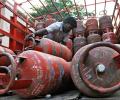
Mumbai police are investigating the theft of 27 LPG cylinders from a delivery vehicle in Charkop, Kandivali (West), amid concerns about gas supply due to the conflict in West Asia.

The Indian government has increased measures to secure fuel and gas supplies following the Strait of Hormuz closure, urging citizens to avoid panic buying. Refineries are operating at high capacity, and sufficient stocks of petrol and diesel are available nationwide.
Around one full month of supply is firmly arranged with additional procurement being continuously finalised, and oil companies are successfully delivering over 5 million cylinders every day.

Qatar has halted liquefied natural gas (LNG) production after its facilities came under attack amid the ongoing West Asia conflict, disrupting supplies to India and squeezing feedstock availability for key domestic sectors.

A vessel carrying 20,000 metric tonnes of Liquefied Petroleum Gas (LPG) arrived at Deendayal Port Authority in Kandla, Gujarat, after crossing the Strait of Hormuz amid the West Asia crisis.
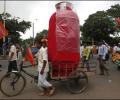
The Haryana government is taking strict measures to combat the black marketing of cooking gas cylinders, registering FIRs and seizing hundreds of cylinders. Officials assure citizens of sufficient LPG supply despite global concerns.

India significantly increased piped natural gas (PNG) connections in March as the government accelerates the expansion of cleaner fuel networks amid global supply disruptions.

India continues to face LPG supply challenges for the third consecutive week due to disruptions caused by the West Asia conflict, though panic buying is showing signs of easing. The government is prioritising domestic household supplies and encouraging alternative fuel sources.

Fuel prices have risen by about Rs 7.5 per litre since May 15, as global crude oil prices surged due to the ongoing conflict in West Asia and supply concerns around the Strait of Hormuz.
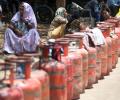
Maharashtra minister Mangal Prabhat Lodha defends his request for LPG cylinders for Jain temples, claiming criticism is part of a larger anti-Hindu narrative.

India possesses two months of fuel stockpiles and faces no supply concerns despite global energy disruptions, according to Oil Minister Hardeep Singh Puri. However, state-run fuel retailers are incurring losses of up to Rs 1 lakh crore in a single quarter due to elevated crude prices and unchanged retail fuel prices, raising questions about the sustainability of these losses.

The Indian government has reassured citizens that the country has sufficient reserves of petrol, diesel, and LPG, and that refineries are operating at high capacity despite global supply chain disruptions. They have urged citizens to avoid panic buying and hoarding.
India significantly increased its crude oil imports from Russia and the United Arab Emirates in June, securing supplies as the Strait of Hormuz began to reopen, with Russian barrels remaining attractive due to discounts and UAE supplies offsetting earlier uncertainties.

The Indian government has waived customs duty on critical petrochemical products until June 30 to ensure supply stability and provide relief to consumers amid disruptions caused by the crisis in West Asia.
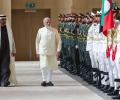
Prime Minister Narendra Modi has offered India's support to bring peace to West Asia during talks with UAE President Sheikh Mohamed bin Zayed Al Nahyan. Both countries signed agreements to strengthen strategic collaborations in energy and defence.

India has raised concerns with Iran over the safety of merchant shipping after two vessels were fired upon in the Strait of Hormuz, prompting them to turn back.
Global oil prices fell on Thursday to their lowest levels since before the outbreak of the Iran conflict, offering a significant economic tailwind for India, the world's third-largest crude importer, by easing inflation risks, reducing the import bill and improving the government's fiscal position.

A recently finalised peace deal between the US and Iran, set to be signed on June 19, is expected to significantly benefit India's economy by boosting exports to West Asia, stabilising the rupee, and easing inflationary pressures, according to exporters and experts.

Tea planters in Darjeeling have raised that a shortage of commercial LPG, triggered by the ongoing conflict in West Asia, could hit tea processing during the first flush, the delicate early-season harvest that commands the highest premiums and often sets the tone for the year.
A gas agency in Pimpri Chinchwad, Pune, is under investigation after authorities discovered 57 illegally stocked LPG cylinders, amidst concerns about potential shortages due to the West Asia crisis.

The ongoing conflict involving the United States, Israel, and Iran intensified sharply with attacks on critical energy infrastructure across the Gulf, even as US President Donald Trump said he had cautioned Israeli Prime Minister Benjamin Netanyahu against targeting Iran's key South Pars Gas Field.

India's pharmaceutical industry is experiencing increased bulk drug prices, particularly for APIs from China, following the escalation of the West Asia crisis in March. While current inventories provide a temporary buffer, concerns are mounting over the availability of key solvents and feedstocks, potentially leading to manufacturing disruptions and shortages in specific drug categories.

The Indian government has directed oil refineries to increase LPG production to ensure a stable supply of domestic cooking gas, amidst concerns over potential disruptions from the escalating Middle East conflict and its impact on imports.
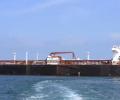
Despite ongoing tensions in West Asia, the successful arrival of the LPG carrier 'Nanda Devi' in Gujarat ensures a steady supply of liquefied petroleum gas to India, highlighting the country's efforts to secure its energy needs.
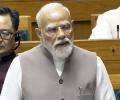
Prime Minister Narendra Modi addressed Parliament on the West Asia crisis, advocating for dialogue and diplomacy, ensuring the safety of Indians in the region, and addressing concerns about fuel and food security.

India imports nearly 60 percent of its LPG, with most cargo previously coming through the Strait of Hormuz, now closed for commercial shipping.

Indian benchmark equity indices experienced a significant downturn, with the Sensex plummeting over 800 points and the Nifty falling sharply, driven by rising crude oil prices, geopolitical tensions, and foreign capital outflows.

India's foreign secretary Vikram Misri on Thursday participated in a high-level meeting hosted by the United Kingdom on the evolving situation in West Asia, underlining concerns over maritime security, energy supply disruptions and the need for diplomatic de-escalation.

Maharashtra Chief Minister Devendra Fadnavis rode a motorcycle to work following Prime Minister Modi's appeal to cut down fuel consumption amid the ongoing conflict in West Asia.

External Affairs Minister S Jaishankar discussed the West Asia conflict and its impact on energy supplies with his Russian counterpart Sergey Lavrov and EU's Foreign Policy chief Kaja Kallas.
